
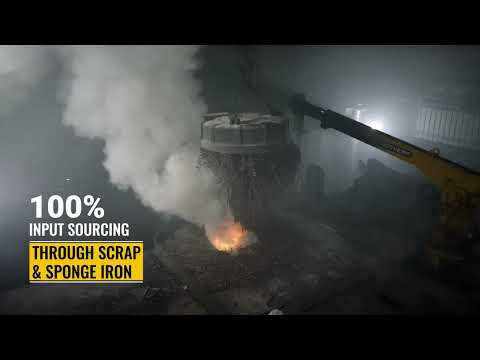
Filming inside a live, heavy-industry manufacturing facility is completely different from shooting on a controlled soundstage. You are balancing active assembly lines, forklifts, overhead cranes, strict safety compliances, and variable industrial lighting, all while capturing visuals that present your company as a world-class engineering powerhouse.
Having directed and shot corporate films across industrial facilities throughout Gujarat and India (including refineries, heavy engineering plants, steel rolling mills, and cleanrooms), here is my essential operational checklist for plant heads, safety officers, and brand managers.
1. Safety Protocols & PPE Compliance Come First
A professional camera crew should never compromise your plant's safety record. Before shoot day, ensure:
- PPE Uniformity: Make sure all floor workers in key shooting zones are wearing clean, standardized PPE (helmets, high-vis vests, safety boots, and goggles). In video, scratched or mismatched safety gear immediately undermines a brand's authority.
- Safety Induction: Schedule a mandatory 15-minute safety briefing for the film crew at call time covering emergency exits, assembly points, and restricted areas.
- Hot Work & Zone Clearances: If specialized camera lighting or drone flight is planned near hazardous material storage or high-pressure zones, clear permits in advance.
2. Plant Aesthetics: Cleanliness Equals Precision
High-resolution 4K cinema sensors capture every layer of dust, oil drip, and clutter. A day before the crew arrives:
- Zone Housekeeping: Clean the primary bays where camera tracks and wide establishing shots will be positioned. Polish metal safety railings and degrease machine viewing panels.
- Uniform Signage & Branding: Ensure company logo signs, 5S floor markings, and machine safety badges are clean and legible. These make outstanding visual cutaways that reinforce engineering discipline.
- Floor Pathways: Clear main gangways of stray pallets or idle raw material bundles so dollies, motorized sliders, and steadicam rigs can move smoothly.
3. Choreographing the Line: Active Shifts vs. Staged Shots
The best industrial films convey immense scale and relentless productivity. To achieve this:
- Coordinate Continuous Operations: Ensure key machines (automated packaging, CNC bays, furnace tappings, bottling lines) are active during scheduled camera windows so frames are filled with motion, sparks, and kinetic rhythm.
- Designate 3 to 4 Floor Ambassadors: Select confident, experienced machine operators or technicians who are comfortable being filmed in close-up checking micrometers, digital consoles, or quality test gauges.
- Minimize Line Stoppages: A skilled DOP will work around your operational rhythm, capturing wide shots while the shift runs and staging intimate macro cutaways during scheduled conveyor changeovers.
4. Tackling Mixed Factory Lighting
Most industrial plants feature a chaotic mix of high-bay sodium vapor lamps, harsh fluorescent tubes, and bright outdoor daylight spilling from roller doors. This creates unsightly green and orange color casts on standard video.
As a cinematographer, I bring high-output daylight-balanced LED fixtures (Aputure/Nanlite cinema fixtures) and negative fill flags to carve out specular highlights on brushed steel and machinery, while balancing color temperatures in DaVinci Resolve so skin tones and corporate colors look crisp and authentic.
5. Drone Flights & External Architecture
Establishing the vast acreage of your facility sets the tone for your company's global scale:
- Airspace Clearances: Verify local airspace restrictions (especially if your plant is near defense zones, ports, or airports). We ensure certified DGCA-compliant flight operations.
- Golden Hour Windows: Aerial exterior shots look most impressive at sunrise or sunset (golden hour) when industrial pipelines, silo arrays, and solar installations cast dramatic long shadows.
Planning Your Facility's Corporate Film?
Whether you operate an automated engineering facility, a chemical processing unit, or an expansive logistics terminal, investing in deliberate pre-production ensures your industrial film looks grand, authentic, and technically superior without halting plant productivity.